

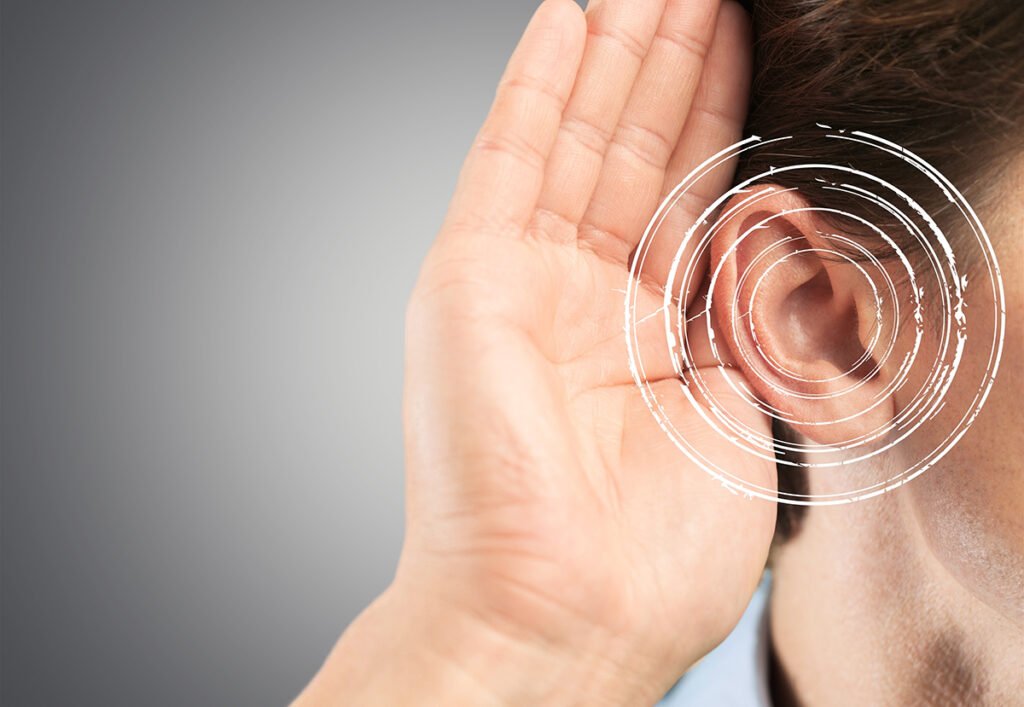
Hearing shapes how we connect with the world — from catching a grandchild’s laugh to noticing a car approaching as we cross the street. Yet for years, hearing health hasn’t always been discussed alongside sleep, nutrition, or exercise.
That’s beginning to change.
More people now recognize that hearing directly affects independence, confidence, safety, and social engagement. Routine hearing checks deserve the same priority as annual physicals or dental cleanings — not as a reaction to a problem, but as part of preventive care.
Each year on March 3, World Health Organization highlights this message through World Hearing Day, encouraging individuals to see hearing as an essential component of lifelong wellness.
Below is a practical checklist to help you stay proactive.
Why Do So Many People Delay Hearing Care?
Unlike a sudden injury, hearing changes often happen gradually. Because of this, many people adapt without realizing it. They may:
-
Turn up the television volume
-
Rely more heavily on visual cues
-
Avoid noisy restaurants
-
Ask others to repeat themselves
Since communication still feels “possible,” it may not seem urgent. Research consistently shows that people can wait nearly a decade between first noticing changes and seeking help.
There are also common misconceptions:
-
Hearing aids are bulky or obvious
-
Devices are only for “older” individuals
-
Treatment will be too expensive
-
Hearing aids will fully restore hearing — or somehow worsen it
In reality, today’s technology is discreet, customizable, and designed to improve clarity and comfort — not accelerate hearing loss.
Understanding this often makes the first step feel much easier.
Subtle Signs of Hearing Changes
Early hearing shifts are often more noticeable in behavior than in obvious “I can’t hear” moments.
Watch for:
-
Difficulty following group conversations
-
Struggling in restaurants or noisy environments
-
Frequently asking for repetition
-
Responding slightly off-topic
-
Turning up TV or phone volume higher than others prefer
-
Avoiding social settings that used to feel easy
Family members often notice these patterns first. These signs don’t automatically mean hearing loss — but they’re helpful prompts to schedule a professional evaluation.
How Hearing Supports Overall Well-Being
Hearing affects far more than just communication.
Cognitive Health
When hearing declines, the brain works harder to fill in missing sounds. Over time, this extra effort can impact focus and memory. Studies continue to link untreated hearing loss with increased risk of cognitive decline.
Balance & Safety
Hearing contributes to spatial awareness — detecting direction, movement, and environmental cues. Maintaining good hearing supports steadiness and responsiveness.
Emotional & Social Wellness
Struggling to hear can lead to frustration or social withdrawal. Proactive care helps maintain confidence and meaningful connection.
Your Practical Hearing Health Checklist
Here are simple, proactive steps you can take today:
Establish a Baseline Test
Even if you don’t notice changes, get a professional hearing evaluation. A baseline makes future shifts easier to track.
Schedule Routine Checks
Just like eye exams, hearing should be monitored regularly — especially after age 50.
Protect Your Ears
-
Lower headphone volume
-
Use ear protection in loud environments
-
Limit prolonged noise exposure
Pay Attention to Warning Signs
Persistent ringing in the ears (tinnitus), muffled sounds, or increased listening effort are signals to get evaluated.
Address Changes Early
If conversations feel more effortful or people seem harder to understand, don’t wait. Early intervention makes a difference.
A Reminder Worth Keeping
World Hearing Day serves as a powerful reminder that hearing health isn’t separate from overall wellness — it’s woven into how we think, communicate, move, and engage with others.
Taking small steps today can protect your independence and connections for years to come.
If you’d like, I can also turn this into a printable checklist handout or a patient-friendly brochure version.
