
Close Menu
BlogSpotTipsBlogSpotTips
  • Home
  • Education
  • Finance
  • Latest Internet News
    • Social Media
    • Software
  • Game
  • Contact Us !
Facebook X (Twitter) Instagram
BlogSpotTipsBlogSpotTips
  • Home
  • Education
  • Finance
  • Latest Internet News
    • Social Media
    • Software
  • Game
  • Contact Us !
Facebook X (Twitter) Instagram
BlogSpotTipsBlogSpotTips
Home»Finance»One year on, ‘Franckenschock’ still hurts Swiss
Finance

One year on, ‘Franckenschock’ still hurts Swiss

DeepBy DeepFebruary 6, 2016No Comments2 Mins Read
Facebook Twitter Pinterest LinkedIn Tumblr Email
Share
Facebook Twitter LinkedIn Pinterest Email

The Swiss National Bank’s (SNB) decision to scrap its cap on the franc against the euro a year ago today shocked markets and sent the country’s currency rocketing 30 percent. One year on, the franc is still high, 10 percent up against the euro, and export-focused Switzerland is still feeling the pain.

Looking back at the SNB’s shock move James Watson, MD for UK and Europe at ADS Securities, told CNBC “a lot of people were caught in the headlights.”
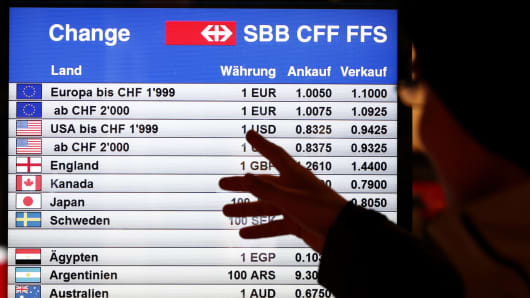
A man looks at a board showing currency exchange rates in Bern January 15, 2015.

Thomas Hodel | Reuters
A man looks at a board showing currency exchange rates in Bern January 15, 2015.

Hashtags such as #Francogeddon and #Franckenschock were soon trending on Twitter.

The decision to impose a maximum value on the franc – the cap had been in place at 1.20 franc per euro since 2011 when investors seeking a safe haven amid the turmoil created by the euro zone debt crisis pushed the franc higher – was made to help Swiss exporters compete. Switzerland’s goods exports grew by 3.5 percent in 2014, exceeding the record set in 2008.

After the cap was lifted, Swiss exports weakened in the first 11 months of 2015, down 3 percent according to Swiss Customs Office data, although they picked up to growth of 1 percent in November. Swiss watch sales – the country exports iconic luxury brands such as Hublot and LVMH’s Tag Heuer – remain depressed and recorded their worst November in five years.

“I don’t think the SNB really thought about what the effect would be of what they did,” Watson said. The SNB argued that recent falls in the currency meant that maintaining the peg was no longer justifiable. Analysts have also argued the SNB removed the peg for political reasons. The expected introduction of quantitative easing by the European Central Bank at the time also meant that defending the level against an even weaker euro would have required yet more intervention.

[“source -pcworld”]

One year on ‘Franckenschock’ still hurts Swiss
Share. Facebook Twitter Pinterest LinkedIn Tumblr Email
Deep

Related Posts

Beyond the Checkbox: Rethinking What Meaningful Consent Really Means

March 11, 2026

Mexico’s Collective Movement: Transforming Women’s Inclusion in Finance

March 7, 2026

When and How to Use Valuation Multiples Across Industries

February 13, 2026
Recent Post
  • Mastering Sibling Rivalry: Practical Ways to Build a Peaceful and Happy Home
  • Turning Education into Opportunity: Creating Real Pathways to Work for Every Young Person
  • DevSecOps Tools: Powering Secure, AI-Driven Software Delivery
  • 11 Best Social Media Analytics Tools for Creators and Marketers
  • Both positive and negative effects of social media on students
  • How to Build a Social Media Strategy in 2026: A Practical 9-Step Guide
  • Beyond the Checkbox: Rethinking What Meaningful Consent Really Means
  • Can social media ban save our future generation?
Search
  • Home
  • Privacy Policy
  • Contact Us !
© 2026 BlogSpotTips. Designed by BlogSpotTips.

Type above and press Enter to search. Press Esc to cancel.