

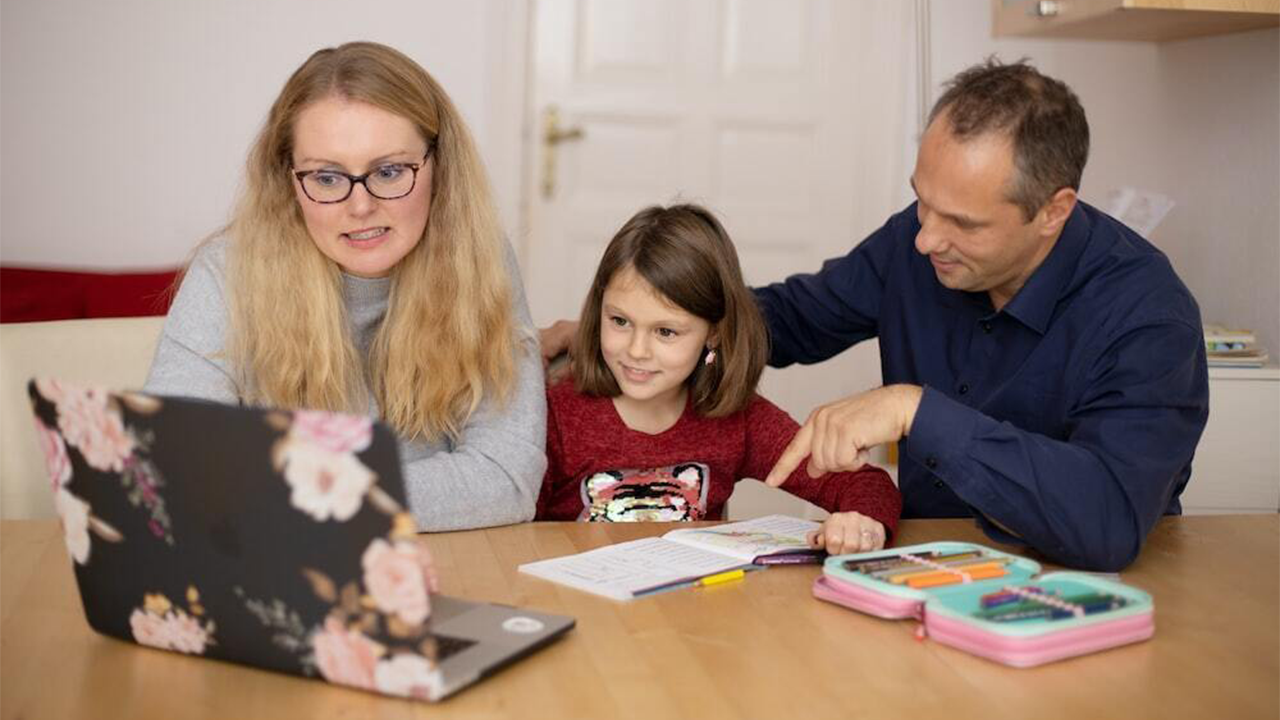
Homeschooling is becoming an increasingly considered educational option for families in India. Instead of following a conventional school schedule, homeschooling allows parents to create a learning environment that is more flexible and tailored to their child’s interests, pace, and individual needs.
Starting homeschooling, however, requires thoughtful planning. Parents need to understand their educational goals, choose an appropriate curriculum, organise a daily routine, and create opportunities for social interaction. If you are considering this path, the following step-by-step guide can help you get started.
1. Understand What Homeschooling Means
Homeschooling does not simply mean teaching school subjects at home. It is an approach to education in which parents or caregivers take greater responsibility for planning and facilitating a child’s learning.
Depending on the family, homeschooling may involve textbooks, online courses, educational apps, practical activities, projects, field trips, reading, or a combination of several methods.
Before beginning, think about why you are interested in homeschooling. Your reasons might include a desire for flexible learning, a child’s particular interests, family circumstances, or the wish to provide a more personalised educational experience.
Having clear objectives will make later decisions easier.
2. Research the Indian Education System
Parents should understand the educational options and requirements relevant to their situation before making the transition.
India has multiple education boards and recognised pathways, including CBSE, CISCE, and various state boards. Families considering homeschooling should research how their child can eventually obtain recognised school-leaving qualifications if they intend to pursue higher education.
For older children, this becomes particularly important because admission requirements can vary between universities and courses.
It is sensible to check current official rules and requirements rather than relying solely on information from social media groups or informal forums.
3. Set Educational Goals
Once you decide to homeschool, establish realistic short-term and long-term goals.
For younger children, goals might include developing reading skills, basic mathematics, communication, creativity, and curiosity. For older students, goals may include completing specific academic subjects, preparing for board examinations, developing specialised skills, or preparing for competitive examinations.
Try to keep goals flexible. Children learn at different speeds, and homeschooling gives parents an opportunity to adjust lessons according to their progress.
4. Choose a Suitable Curriculum
Selecting a curriculum is one of the most important decisions for a homeschooling family.
You can follow a structured curriculum similar to traditional schooling or adopt a more flexible approach. Some parents use textbooks as the foundation and supplement them with online resources, experiments, educational videos, books, and hands-on activities.
Consider your child’s age, learning style, interests, and future academic plans when making your choice.
A good curriculum should be challenging enough to encourage development without creating unnecessary pressure.
5. Create a Daily Learning Routine
Homeschooling does not necessarily require children to sit at a desk for six or seven hours every day. However, having a consistent routine can provide structure.
A typical day could include reading, mathematics, science, language learning, creative activities, physical exercise, and independent study. Breaks should also be included.
One major advantage of homeschooling is flexibility. If your child learns better in the morning, you can schedule challenging subjects earlier in the day. Practical activities can be incorporated into afternoons or other suitable times.
6. Create a Dedicated Learning Space
A formal classroom is not essential, but having a designated learning area can help children associate the space with study and concentration.
The area could include a desk, comfortable chair, bookshelves, stationery, educational materials, and access to a computer when required.
At the same time, remember that learning can happen anywhere. Cooking can introduce children to measurements, a trip to a museum can support history or science lessons, and gardening can become an opportunity to learn about nature.
7. Use Technology Wisely
Digital resources can significantly expand homeschooling opportunities in India. Online classes, educational platforms, digital libraries, interactive lessons, and virtual activities can supplement traditional learning materials.
However, screen time should be balanced with reading, writing, outdoor activities, creative work, and face-to-face interaction.
Parents should also evaluate online resources carefully and choose age-appropriate, reliable educational content.
8. Encourage Socialisation
One common concern about homeschooling is social interaction. Homeschooling does not have to mean that children are isolated from other children.
Parents can encourage participation in sports, music classes, art workshops, hobby groups, community activities, clubs, and educational outings. Spending time with relatives, neighbours, and other homeschooling families can also provide valuable social experiences.
The goal is to create regular opportunities for children to communicate, cooperate, solve problems, and build friendships.
9. Track Your Child’s Progress
Keeping records can help parents understand whether their homeschooling approach is working.
Maintain notes about subjects covered, books completed, projects undertaken, skills developed, and areas that require additional attention. Regular quizzes, assignments, projects, and discussions can provide useful feedback.
Assessment does not always have to involve formal examinations. Observing how confidently your child applies knowledge in real-world situations can also reveal meaningful progress.
10. Prepare for the Future
Parents should think about the child’s long-term educational pathway from the beginning. If your child eventually plans to attend college, pursue professional education, or sit for recognised examinations, understand the relevant eligibility requirements early.
This can help you select appropriate subjects, maintain necessary academic records, and prepare for examinations at the right stage.
For families planning to use recognised board examinations or alternative examination pathways, checking the latest requirements directly with the relevant official authority is especially important.
11. Be Patient and Flexible
The transition to homeschooling may take time. Parents may initially find it difficult to balance teaching, household responsibilities, work, and other commitments.
Children may also need time to adjust to a new learning environment.
Do not expect every day to go perfectly. If a particular teaching method is not working, try something different. Homeschooling allows you to experiment and adapt rather than following a rigid structure.
Conclusion
Starting homeschooling in India requires preparation, patience, and a willingness to learn alongside your child. From researching educational pathways and choosing a curriculum to creating routines and encouraging socialisation, each step plays an important role.
The biggest advantage of homeschooling is its flexibility. Parents can create an educational experience that reflects their child’s interests, abilities, pace, and long-term goals.
With thoughtful planning and regular evaluation, homeschooling can become more than an alternative to traditional education—it can provide children with opportunities to develop independence, curiosity, creativity, and a genuine love of learning.
