

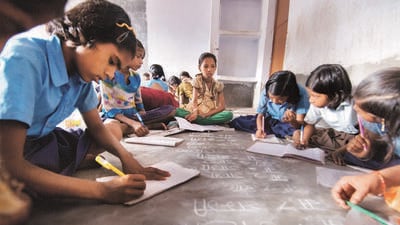
Early childhood is one of the most important periods in a person’s development. During the first years of life, children rapidly develop language, social skills, emotional abilities and the foundations for future learning. This is why access to high-quality early childhood education can have effects that extend far beyond one child. It can influence families, communities and even future generations.
Early childhood education is not simply about teaching children letters and numbers before they enter school. It is about creating an environment where young children can develop curiosity, confidence, communication skills and healthy relationships. When these foundations are strong, children may be better prepared to succeed throughout their education and later lives.
What Is Early Childhood Education?
Early childhood education generally refers to organized learning and care during the years before formal primary education. Depending on the country and educational system, this may include preschool, pre-primary programs, nursery schools and other early learning environments.
Quality programs usually combine learning with play, social interaction, creative activities and age-appropriate guidance. Children learn by exploring their surroundings, asking questions, communicating with others and participating in structured activities.
The goal is not to make young children study like older students. Instead, effective early education supports their overall development.
The First Years Build Important Foundations
Young children develop rapidly during their early years. Their experiences during this period can influence how they approach learning, relationships and challenges later in life.
A supportive learning environment can help children develop skills such as:
- Communication and language
- Problem-solving
- Cooperation
- Emotional regulation
- Creativity
- Concentration
- Confidence
- Independence
These skills become useful throughout school and adulthood. A child who learns how to communicate, cooperate and solve simple problems is developing abilities that can later support academic and professional success.
Early Learning Can Improve School Readiness
One of the most visible benefits of early childhood education is school readiness. Children who have participated in quality early learning programs may enter primary school with greater familiarity with classroom routines and social interaction.
They may already understand concepts such as taking turns, listening to instructions, asking for help and working with other children.
Early education can also introduce basic literacy and numeracy concepts through games, stories, songs and hands-on activities. This can make the transition into formal schooling more comfortable.
However, early education should not become an excessive academic competition. Young children need opportunities to play, explore and develop at their own pace.
The Importance of Social and Emotional Development
Academic knowledge is only one part of a child’s development. Social and emotional skills are equally important.
In early learning environments, children interact with teachers and classmates outside their immediate family. They learn how to share, negotiate, express feelings and respond to different perspectives.
A child who learns healthy ways to manage frustration or communicate a need may carry those skills into later relationships. Over time, these abilities can influence how people participate in families, workplaces and communities.
Supporting Parents and Families
The impact of early childhood education can extend beyond the classroom. Quality programs can provide parents with information about child development, learning activities and positive approaches to supporting children at home.
For working parents, reliable early education and care can also make it easier to remain employed or pursue education and training.
When families have greater stability and children receive consistent developmental support, the benefits can reinforce each other. Parents can create better learning environments at home, while educators can provide professional guidance and structured experiences.
Breaking Cycles of Disadvantage
Access to quality early education can be especially important for children from disadvantaged backgrounds. Differences in access to books, learning resources, safe play spaces and educational opportunities can begin early in life.
High-quality early childhood programs can provide additional learning experiences and supportive relationships for children who may otherwise have fewer opportunities.
This does not mean early education can solve every social or economic problem. Families also need access to healthcare, adequate nutrition, safe housing and financial stability. But early learning can be one important part of a broader strategy for reducing inequalities.
Why the Benefits Can Reach Future Generations
The phrase “changing generations” may sound dramatic, but the idea has a practical foundation.
Children eventually become parents themselves. The skills, attitudes and educational experiences they gain during childhood can influence how they raise and educate their own children.
A child who grows up valuing reading, curiosity, communication and education may be more likely to encourage similar habits in the next generation.
In this way, positive educational experiences can potentially create a cycle. One generation receives stronger developmental opportunities, carries those experiences into adulthood and passes some of the resulting knowledge and values to the next generation.
Teachers Make a Major Difference
The quality of early childhood education depends heavily on educators. Young children benefit from teachers who understand child development and can create safe, engaging and inclusive learning environments.
Good early childhood educators do more than supervise children. They observe how children learn, encourage questions, respond to individual needs and create activities that support different developmental skills.
Teacher training, appropriate classroom resources and manageable group sizes can therefore play an important role in the quality of early learning.
Learning Through Play
Play is one of the most powerful ways young children learn. Through pretend games, building activities, drawing, storytelling and outdoor play, children can develop cognitive, physical, social and emotional skills.
For example, building with blocks can encourage problem-solving and spatial thinking. Pretend play can support language and social development. Group games can teach cooperation and turn-taking.
This is why high-quality early childhood education should not be defined only by worksheets or formal lessons. Meaningful play is itself a valuable learning experience.
Investing in Early Childhood Benefits Society
The benefits of early childhood education can eventually extend into wider society. Better educational foundations can contribute to improved school participation, stronger skills and greater opportunities later in life.
Economists and researchers have therefore examined early childhood programs as long-term social investments. While outcomes vary between programs and populations, the broader principle is that supporting children early can be more effective than waiting until educational difficulties become deeply established.
Investment may include preschool access, educator training, family support, learning materials and programs designed to reach underserved communities.
Building a Better Future
Early childhood education cannot guarantee that every child will have the same outcome. Children grow up in different circumstances, and many factors influence development.
Nevertheless, giving children a strong start can create opportunities that may otherwise be difficult to achieve. A safe classroom, an encouraging teacher, access to books and the chance to learn through play may seem like small things, but together they can shape a child’s relationship with learning.
Conclusion
Early childhood education matters because the foundations of learning and development begin long before adulthood. Quality early learning can support language, social skills, emotional development, curiosity and school readiness while also helping families.
Its most powerful effect may be its ability to create lasting patterns. Children who experience supportive education can carry those experiences into their relationships, careers and eventually their own families.
That is why investing in young children is not merely an investment in today’s students. It is an investment in the people who will build tomorrow’s families, communities and societies—and potentially influence generations yet to come.
